A rodent by any other name
Hamsters belong to the rodent subfamily Cricetinae. Little ears, short tails, and those famous roomy cheeks are part of the package.
YOU HAVE FOUND A VERY SMALL CORNER OF THE WORLD WIDE WEB
Small paws. Big personality. A whole lot of cheek.
If you think the best things in life have whiskers and fit in the palm of your hand, you’re in the right place.
Pull up a sunflower seed and stay a while. This little homepage is dedicated to the surprisingly fascinating world of hamsters.
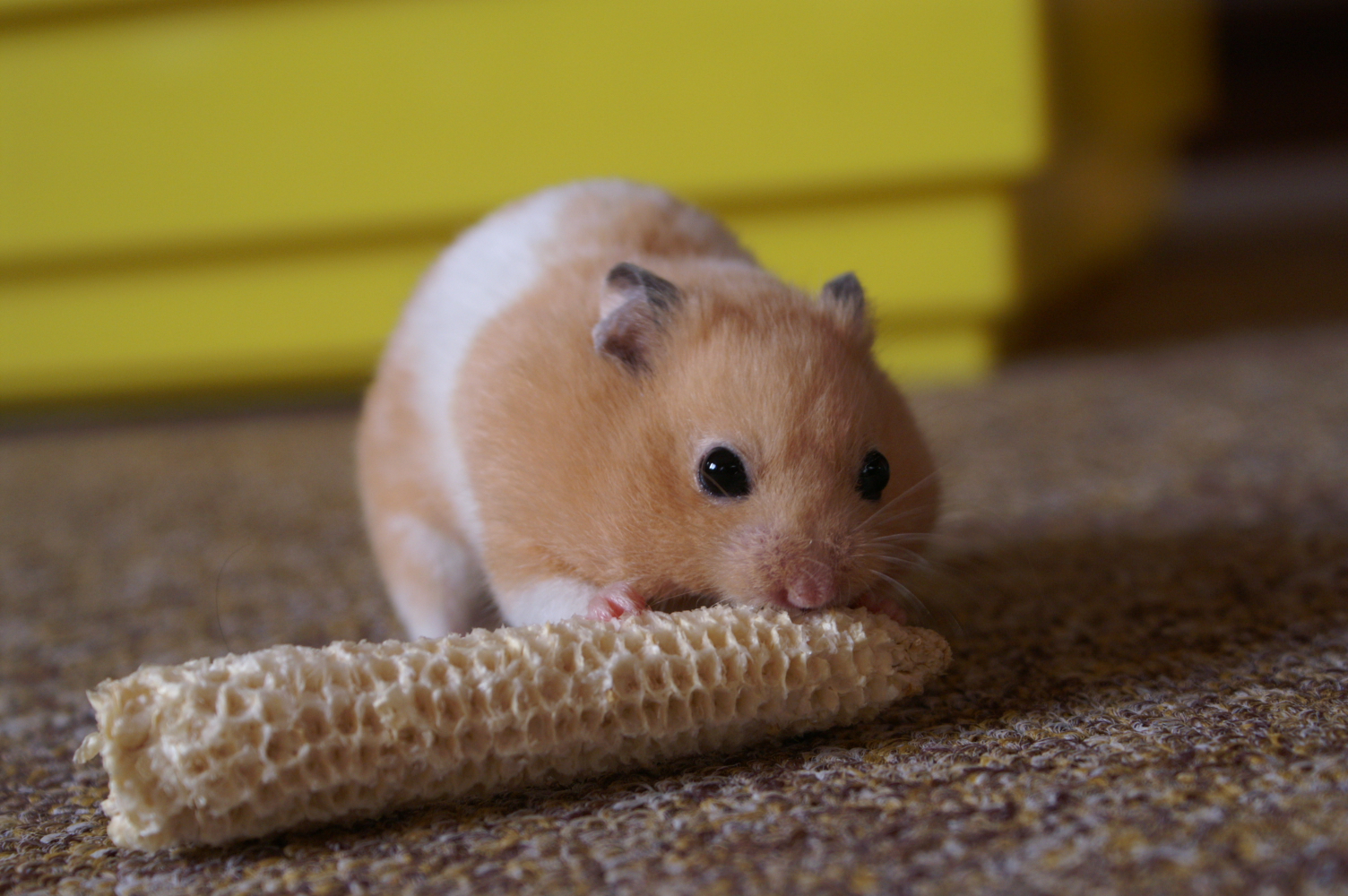
Hamsters belong to the rodent subfamily Cricetinae. Little ears, short tails, and those famous roomy cheeks are part of the package.
Wild hamsters eat seeds, fruit, vegetation, and even some insects. There’s more to their menu than sunflower seeds.
Cheek pouches help hamsters bring food back to their burrows, where they can tuck it away for later. Tiny pantry, big plans.
Facts adapted from Wikipedia: Hamster · CC BY-SA 4.0
Mesocricetus auratus
The golden hamster pictured above comes from a species native to northern Syria and southern Turkey. Syrians are solitary and territorial: a hamster with a strong sense of personal space.
Get to know the Syrian hamster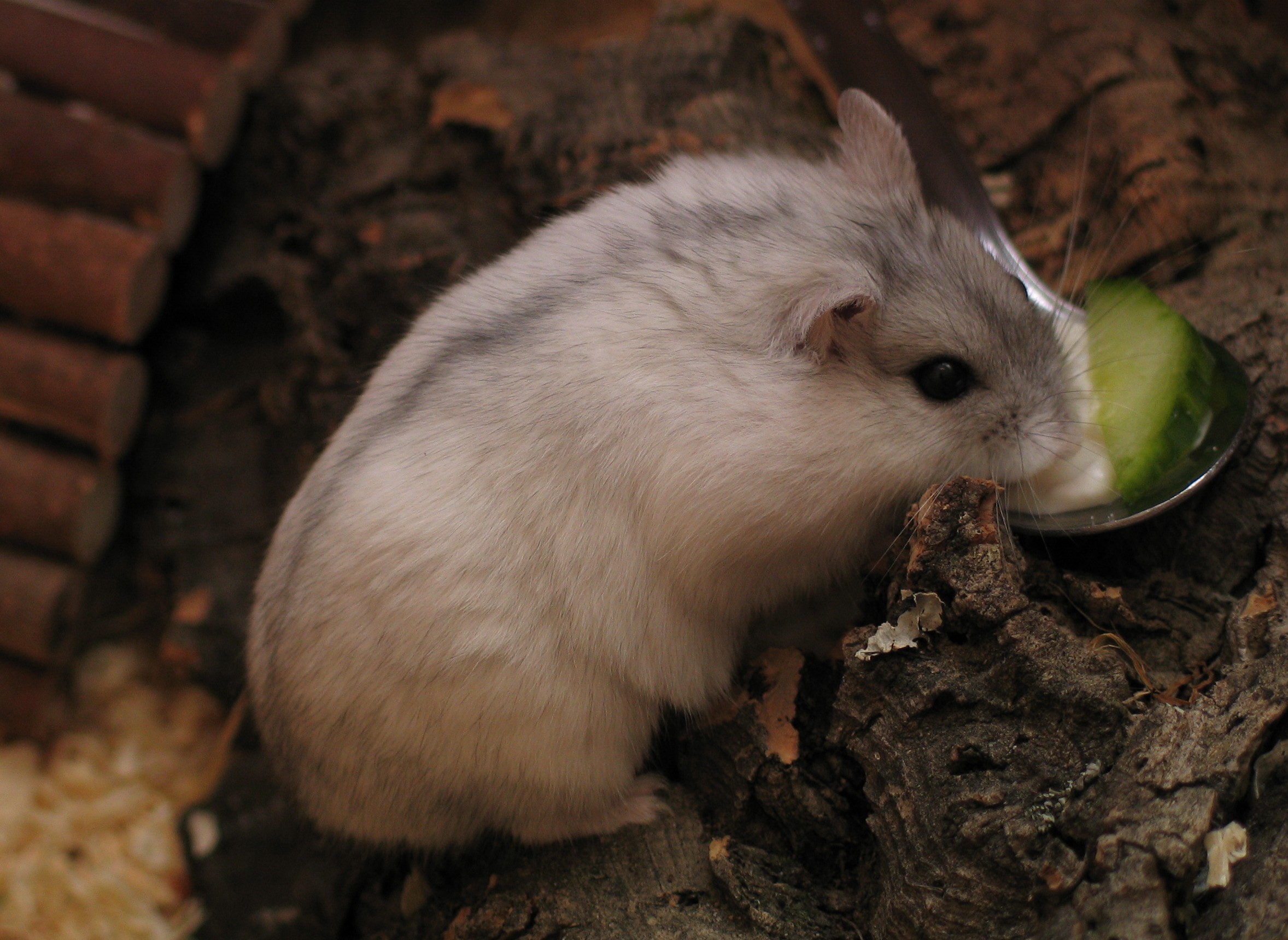
Phodopus sungorus
A familiar dwarf species, alongside Campbell’s and Roborovski hamsters. This little one is a pearl-colored winter white.
Meet the winter whiteNo hamster homepage is an island. Follow these links for more tiny-animal knowledge.
Syrian hamster photo by Dennis Blöte · CC BY-SA 2.0.
Winter white hamster photo by Dirk Goldhahn · CC BY-SA 2.5. Display cropped to fit.
Fact text adapted from Wikipedia’s Hamster, Golden hamster, and Winter white dwarf hamster articles and their contributors; adapted fact text is CC BY-SA 4.0.

